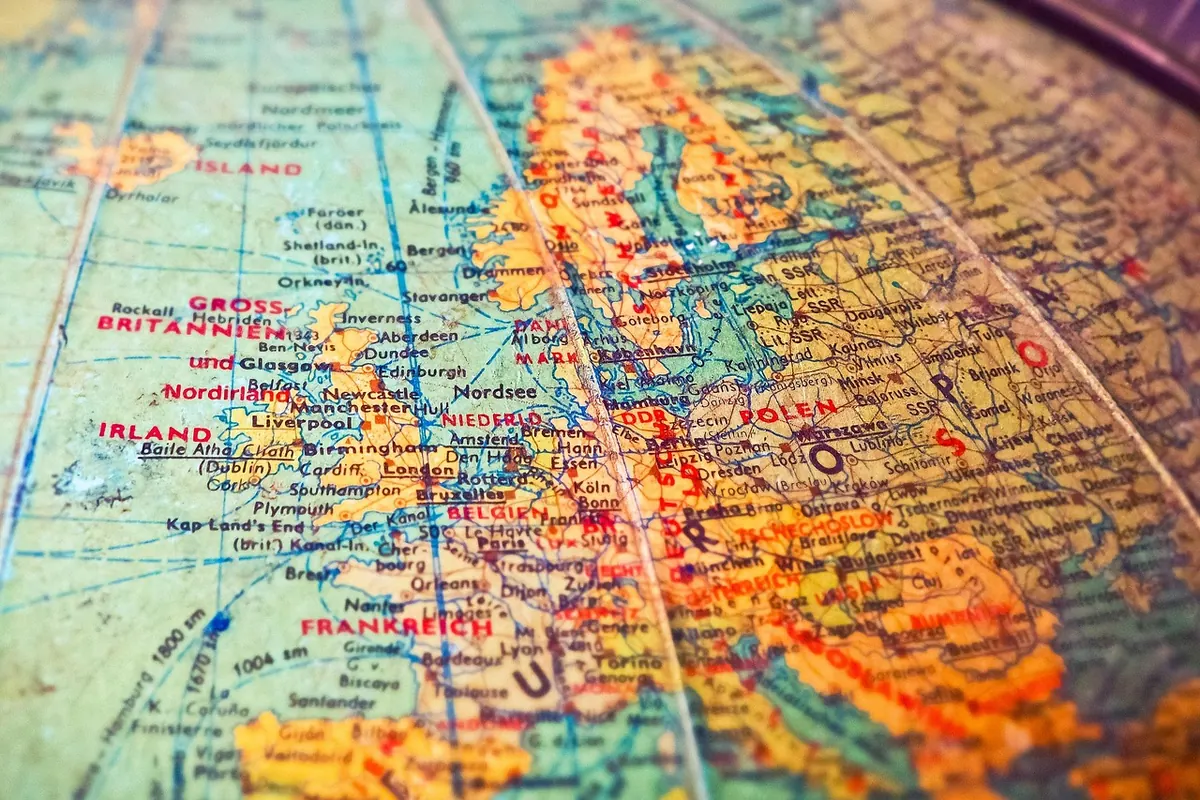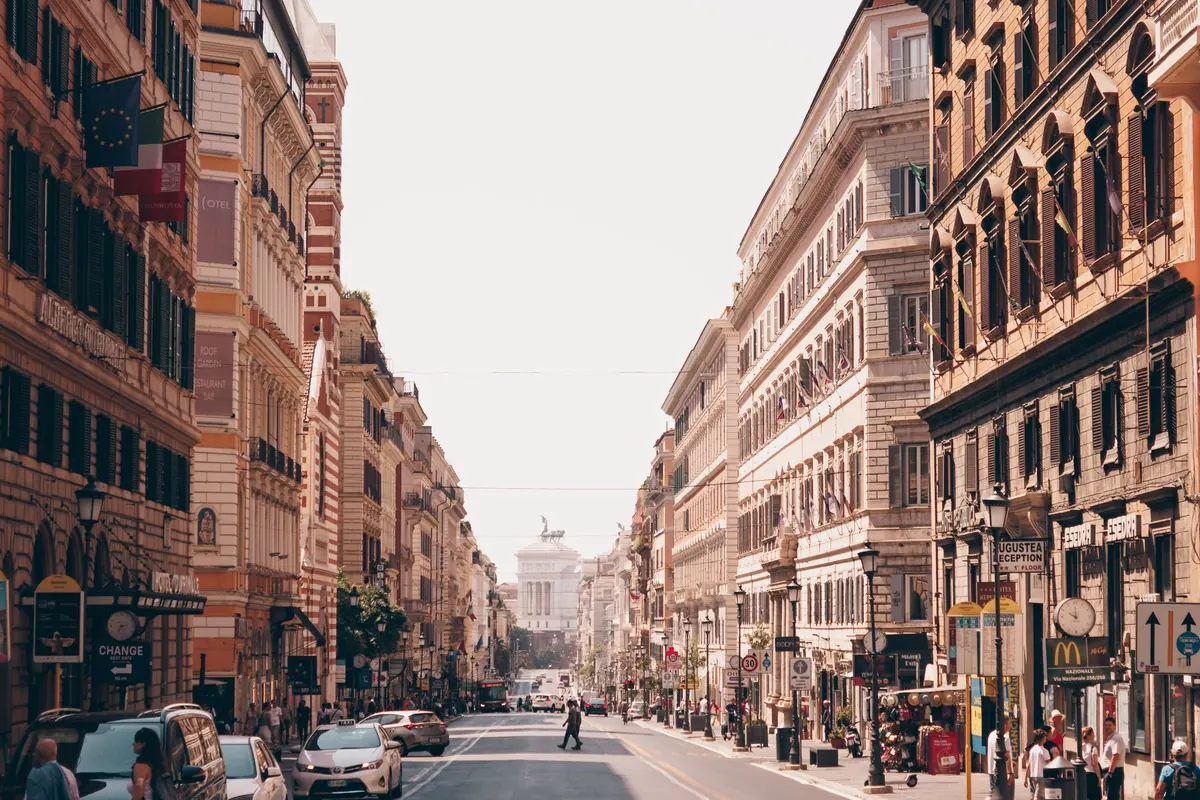
Shoulder season is the sweet spot for travel: smaller crowds, softer light, and prices that don't require a second mortgage. It's also the season that punishes lazy packers. One week you're drinking coffee in a sunny square in a T-shirt; three days later you're hiking a shaded trail in a cold wind and wishing you'd brought a proper mid-layer. Ten days, one carry-on, and no checked bag to absorb your mistakes. The trick isn't packing less in a heroic sense — it's packing deliberately. Below is the checklist to work through before you zip the bag.
Pack for Three Days, Not Ten
The single decision that makes a ten-day carry-on realistic is accepting that you will do laundry. Once that's settled, the maths changes completely: you need three to four days of clothing, plus a small bottle of travel detergent, not ten of everything. A 35–40 litre bag is the right size for most people on a trip like this. Anything bigger and you'll fill it; anything smaller and the layers for a cold morning get squeezed out.
Two habits help before you even start. First, lay everything you plan to take on the bed, then remove roughly a fifth of it — that's usually the pile you packed for a version of the trip you aren't actually taking. Second, weigh the finished bag on a kitchen scale at home. Airline cabin limits vary widely, so check your specific carrier's rules and your fare class before you fly rather than at the gate.
The Clothing Capsule: What Actually Earns Its Space
Build the wardrobe around one colour family so everything mixes. Two neutrals plus one accent is plenty. Fabrics matter more than quantities: merino or technical blends resist odour and dry overnight, cotton does neither.
Tops and mid-layers
- 3–4 base layers (T-shirts or long-sleeve tops) in quick-dry fabric
- 1 light merino or fleece mid-layer for cool mornings and air-conditioned trains
- 1 button-down or blouse that looks presentable at dinner
- 1 thin thermal top if you're heading somewhere with real chill, or as sleepwear
- 1 lightweight sweater or cardigan that layers over everything
Bottoms and outerwear
- 2 pairs of trousers: one casual, one slightly smarter, both comfortable for a full day on your feet
- 1 pair of shorts or a skirt if the forecast allows
- 1 packable rain shell with a hood — this is the single most valuable item in a shoulder-season bag
- 1 insulated or windproof outer layer, worn on travel days if it's bulky
- 1 swimsuit, which doubles as an emergency base layer and takes up almost nothing
Feet, sleep and the rest
- 1 pair of broken-in walking shoes, worn on the plane
- 1 pair of light, packable shoes or sandals for evenings
- 4–5 pairs of underwear and socks (quick-dry if possible)
- Sleepwear that doubles as a base layer, or a light pair of shorts and a tee
- A soft hat, a warm beanie if needed, and sunglasses
Documents You Cannot Recreate at 11 p.m.
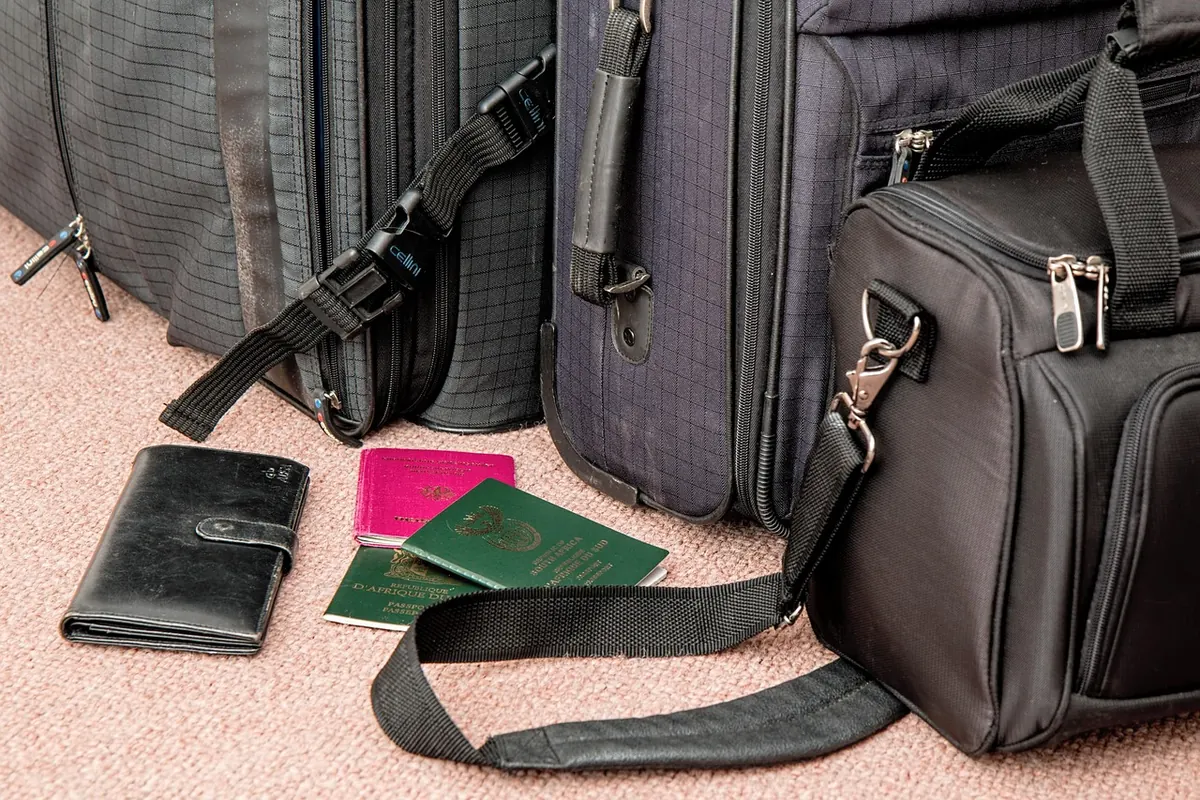
Paper and digital, always both. Your phone will die, lose signal, or decide to update at the worst possible moment. Keep the originals in one pouch and the backups elsewhere.
- Passport (check the expiry date against your destination's entry rules well in advance) and any required visa
- Travel insurance policy number and the emergency assistance phone line
- Flight, train and accommodation confirmations, saved offline
- Photocopies or phone photos of your passport photo page, stored separately from the passport itself
- Two or three passport photos, occasionally required for visas on arrival
- Driving licence plus an international driving permit if you plan to rent a car
- Vaccination record if your route requires one
- A card and some local cash, plus a backup card kept in a different bag
- Emergency contacts written on paper, including someone at home
For anything involving visas, entry requirements, or insurance coverage, verify the current rules with the relevant embassy or your insurer — these change and general advice isn't enough.
The Liquids Bag and the Toiletries You'll Actually Use
Most cabin liquid rules still revolve around a single clear bag of small containers, so plan for it rather than fighting it. Decant shampoo and sunscreen into 50–100 ml bottles, or switch to solid shampoo bars, soap bars and solid deodorant, which don't count as liquids at all and never leak onto your clothes.
- Toothbrush, small toothpaste, floss
- Solid shampoo or a 100 ml bottle, plus conditioner
- Razor, tweezers, nail clippers (put sharp items in checked luggage if you're checking anything)
- Sunscreen and lip balm with SPF
- Basic first-aid: plasters, painkillers, blister pads, rehydration sachets
- Any prescription medication in original labelled packaging, with a copy of the prescription
On medication, carry enough for the whole trip plus a few days, keep it in your hand luggage, and check your destination's rules on bringing it in — some common medicines are restricted abroad. Ask your doctor or pharmacist about your specific situation rather than relying on a packing list.
Tech and the Small Things That Save a Trip
Keep this list short. Every cable you bring is a cable you'll untangle at midnight. A single multi-port charger with the right plug adapter covers phone, tablet and e-reader at once.
- Phone, charger, plug adapter for your region
- Power bank — this must go in the cabin, never in checked baggage
- One spare charging cable, coiled and labelled
- Headphones and a small e-reader or book
- Reusable water bottle, empty through security
- Foldable tote for groceries and day trips
- Small padlock for hostel lockers, plus a dry bag for wet items
- Laundry sheets or a travel-sized detergent, and a few zip bags
The Night-Before Walk-Through
- Lay out tomorrow's travel outfit, including the heaviest shoes and jacket, and keep it separate from the bag.
- Charge phone, power bank and headphones; pack the cables last so they don't vanish into a pocket.
- Photograph your packed bag's contents with your phone — useful for insurance and for remembering what you brought.
- Weigh the bag one final time and check it against your airline's cabin allowance.
- Confirm your first night's accommodation and save the address offline in the local language.
- Put passport, wallet, phone and medication in the personal item, never the overhead bag.
Repacking for the Return
Leave a little room on the way out — a folded flat tote at the bottom of the bag buys you an extra day of shopping without a panic at the airport. Keep a dedicated bag for dirty laundry so clean clothes stay clean, and roll rather than fold on the way home; it's faster and it compresses. If you bought something bulky, wear it on the flight back. And keep this checklist in the bag's inner pocket. Next shoulder season, you'll only need to reread it once.
Photo: stevepb / Pixabay